Drainage Pymble: Every Drain Job on the Wettest Ridge in Sydney
1000+ five-star reviews
Drainage is the busiest silo on this site, and the reason falls from the sky. This suburb sits on an elevated ridge at roughly 139 metres and records Sydney's highest annual rainfall, around 1,441mm a year.
Why that matters underground. Century-old earthenware drains run beneath grand garden blocks, a mature tree canopy reaches for every joint, and water that cannot get away becomes a problem fast. Everything that carries water off your property starts at this hub.
The full spread of services lives at Pymble home, and the everyday indoor work sits under Plumbing. When water is heating rather than draining, that is Hot Water territory.
- $0 Call Out Fee
- Lifetime Labour Warranty
- Licensed & Insured

- Lic #275278C
- Licensed & Insured
- $0 Call Out Fee
- Lifetime Labour Warranty
- On-Site Fast, 24/7
- 1000+ five-star reviews
- Real Humans Answer, Day or Night
- Lic #275278C
- Licensed & Insured
- $0 Call Out Fee
- Lifetime Labour Warranty
- On-Site Fast, 24/7
- 1000+ five-star reviews
- Real Humans Answer, Day or Night
- Lic #275278CNSW plumbing licence, fully insured, water and gas
- $0 Call Out FeeIt costs nothing to get us to your door
- Lifetime Labour WarrantyIf it's not right, we come back. No questions. No cost.
- 1000+ five-star reviewsSydney homeowners have rated us five stars over a thousand times

Which drain problem are you looking at?
Follow the water and the right page is usually obvious. These are the routes we send people down every day.
- A basin, shower recess or floor waste gone slow or stopped dead: blocked drains
- A gurgling toilet, sewage odour outside, or multiple fixtures backing up at once: blocked sewer
- Water pooling in the yard, near a pit, or running toward the house in rain: stormwater
- A pipe already known to be damaged, or a new line you want built: drainage repair & installation
- Answers before anyone digs: CCTV drain inspections
- A cracked line and a garden you would rather not excavate: pipe relining
When a blockage announces itself mid-storm with water entering the house, treat it as urgent and start at Emergency Plumbing. Come back here for the permanent fix once the night is handled.
Rainfall that shapes every drain job on this ridge
The number. Around 1,441mm of rain lands here each year, more than anywhere else in Sydney, and every drop sheds off the ridge down gullies toward low-lying yards and driveways.
The ground. Wianamatta shale clay underlies the suburb, and reactive clay swells in the wet months and contracts through summer dry, flexing rigid pipes until joints open.
The canopy. The remnant Blue Gum High Forest surviving in local reserves hints at the vigour of the tree cover. The same vigour works underground on drain lines every day.
The pipes. The grand houses established by the 1890s were plumbed with earthenware clay, a material with a finite life in moving soil. The moment a joint opens, a mature garden tree finds it.
The number
Around 1,441mm of rain lands here each year, more than anywhere else in Sydney, and every drop sheds off the ridge down gullies toward low-lying yards and driveways.
The ground
Wianamatta shale clay underlies the suburb, and reactive clay swells in the wet months and contracts through summer dry, flexing rigid pipes until joints open.
The canopy
The remnant Blue Gum High Forest surviving in local reserves hints at the vigour of the tree cover. The same vigour works underground on drain lines every day.
The pipes
The grand houses established by the 1890s were plumbed with earthenware clay, a material with a finite life in moving soil. The moment a joint opens, a mature garden tree finds it.

Six pages, every drain job on the ridge
Each child below opens its own page with the full detail: what the job involves, how it is priced, and what it means for a house on this ridge.
- Drainage repair & installation: fixing, replacing and upgrading the pipes that carry water away
- Blocked drains: the everyday blockage work, cleared properly and diagnosed, not just poked
- Blocked sewer: the serious one, where waste lines choke and fixtures back up
- Stormwater: pits, lines, downpipes and grading, the silo's storm-season backbone
- CCTV drain inspections: camera footage that turns guesswork into a decision
- Pipe relining: a brand-new line formed within the existing pipe, no digging
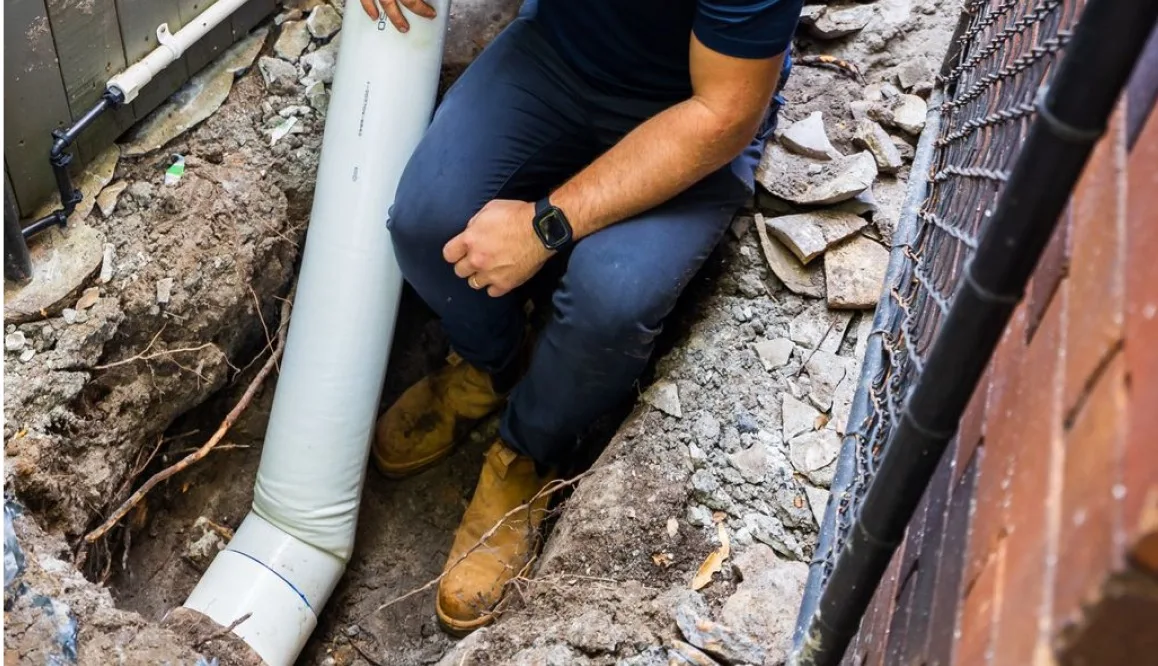
From the memorial park terraces to the station's unit blocks
Terraces on the high ground
Modern lines down low
Three generations at once
So the suburb holds three generations of drainage simultaneously, and the right fix depends entirely on which generation your house belongs to. That is why we never quote a drain job blind.
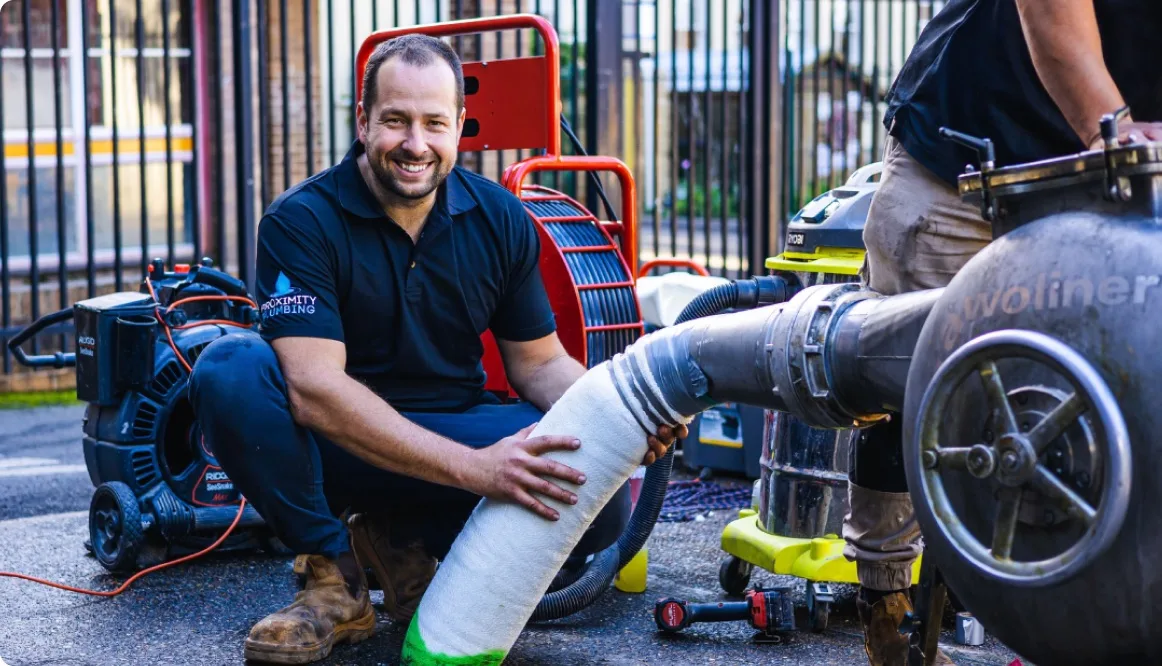
Drainage repair & installation
When a drain is beyond clearing, or a new line is needed for a granny flat, a pool area or a regraded yard, this is the page. It covers excavating and replacing failed sections, upgrading undersized stormwater lines, and installing new drainage graded so water travels away from footings. On this ridge, correct grading is the difference between a dry garage and a wet one.
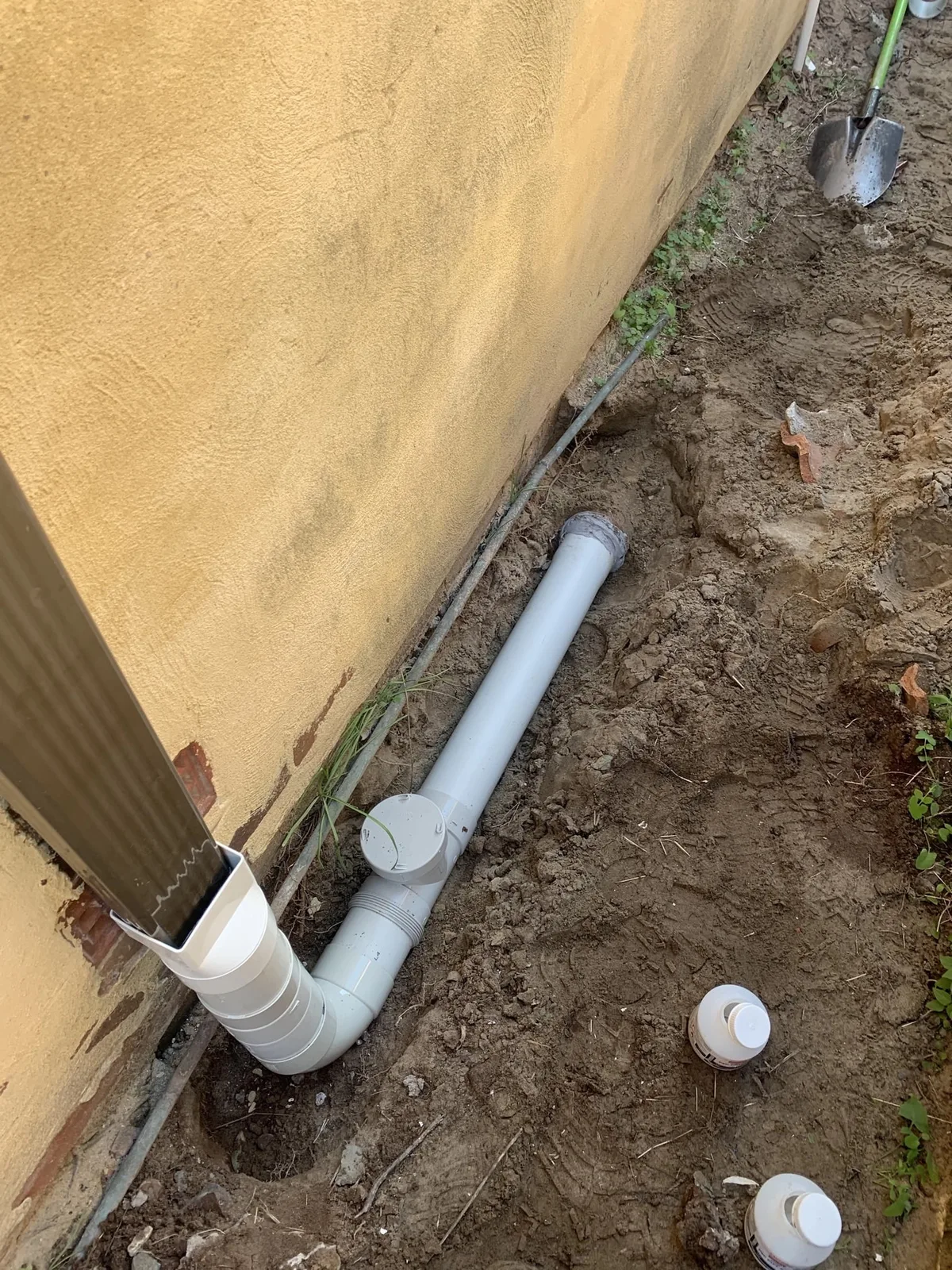
Blocked drains
The most common callout on the silo: a fixture that will not empty. The local pattern is predictable, because dense established trees push roots into the joints of older pipes, the most common blockage cause here. We clear the line, then show you the footage so you can decide whether the pipe needs more than a clear.
Blocked sewer
A blocked sewer is the blockage with consequences. Gurgling from the toilet, several fixtures refusing to drain at once, or odour around an outside grating are the classic signs, and the cause is usually roots in the earthenware run between house and boundary. This page covers clearing the line safely, camera diagnosis of the fault, and the honest conversation about relining or replacement before it blocks again next autumn.
Stormwater
With the highest rainfall in Sydney, stormwater is arguably the most important drain system a house here owns. This page covers pits that surcharge, lines that cannot keep up with a downpour, downpipes discharging against the house, and regrading that sends roof and surface water to the street instead of the laundry. If water enters your home during storms, the underlying fix almost always lives on this page.
CCTV drain inspections
Diagnosis before digging, always. A camera head travels the line and records exactly what is down there: root masses, a crushed section, a sagging run, or a decade of grease.
The footage is yours to see, which means the repair decision is yours to make with evidence rather than a plumber's shrug. Pre-purchase inspections of older homes are a growing share of this work, and rightly so.
Pipe relining
When a clay or cast-iron line is cracked but still broadly sound in shape, relining threads a resin-saturated liner through the existing pipe and cures it into a continuous new run within the old one.
Why that matters here. No trench through the heritage garden, no excavator on the driveway, no weeks of reinstatement. For grand garden blocks where the drain runs under established trees and paths, it is often the only sane option. This page sets out honestly when relining works and when it does not.
How we diagnose a drain: the camera decides, not the guess
Every drain job on this silo follows the same decision path, and it exists to stop you paying for the wrong fix.
Inspect first
Clear what can be cleared
Decide with evidence
That path is why our drain work lasts. A jetter alone fixes nothing structural; a new pipe alone is overkill for a grease blockage. The camera tells us which job you actually have.
Signs to watch for, by the era of your house
Drain symptoms differ by the era of the house, and this suburb holds all three eras at once.
Federation and pre-1940 homes
1960s to 1980s homes
Units near the station and highway corridor
Trees, shale and storms: three forces on every drain line
Three environmental factors shape nearly every drain job on this ridge, and knowing them explains why drains here fail the way they do.
The tree canopy
The soil
The storms
When a blocked stormwater line meets a February storm, the surcharge does not wait for a convenient hour. That is why we treat storm-driven drain failures as emergency-adjacent and keep a path open through emergency plumbing for the night itself, before the permanent fix happens here.
How it works
The process, step by step
- 01
Call us and talk to a plumber
Speak to a licensed plumber, not an answering machine. Tell us what's going on and we'll tell you what happens next.
- 02
We turn up when we say we will
Your plumber arrives on time, in a stocked van, ready to start, not ready to have a look and come back next week.
- 03
Fixed price before we lift a spanner
You get the full price in writing before any work begins. No surprises, no obligation. If you say no, that's fine. The call out cost you $0.
- 04
Fixed right, backed for life
The work is done properly, tested, and covered by our Lifetime Labour Warranty. If it's not right, we come back. No questions. No cost.
Why homeowners trust us with their drains
$0 Call Out Fee
Getting us to your door costs nothing. You only ever pay for work you've approved.
Lifetime Labour Warranty
Our workmanship is guaranteed for life. If it's not right, we come back. No questions. No cost.
Licensed & insured, Lic #275278C
Every plumber on the team is fully licensed and insured. Your compliance certificates are sorted, every time.
Stocked vans, first-visit fixes
Our vans carry the parts for the common jobs, so most problems are fixed on the first visit, not after a second call out.
Fair, upfront pricing. No surprises.
Pricing drain work without the games
Upfront fixed pricing. No hourly surprises.
We don't charge by the hour, and we don't do estimates that grow. Your plumber assesses the job, gives you a fixed written price, and that's what you pay. The price we quote is the price you pay. No exceptions.
- $0 call out: the assessment and quote cost you nothing
- One fixed price, in writing, before any work begins
- No overtime rates: nights and weekends priced the same way
- Card, cash and payment plans accepted
No surprises, no obligation. If the price doesn't work for you, you owe us nothing.
For drain work specifically, the camera inspection is what makes the fixed price honest. We can quote a repair or a reline with confidence because we have seen the pipe, and you can compare options knowing each price covers the complete job, not a best guess that grows once the yard is opened.
The price we quote is the price you pay. No exceptions.
Good questions, straight answers
Drainage questions Pymble locals ask
Why do the old clay drains under these houses keep blocking?
Earthenware pipes laid a century back crack as the reactive shale soil moves beneath them, and every opened joint invites roots from the mature canopy above, so a line that blocks twice in a year is telling you the pipe itself needs work, not another clear.
What does a camera inspection of the line actually show?
The footage reveals root masses, crushed sections, sagging pipe or plain debris, and because you watch it with us, the choice between a clear, a repair or a reline becomes your decision backed by evidence rather than our word alone.
The toilet gurgles when the washing machine empties. Is that urgent?
Gurgling on its own is a warning sign rather than a middle-of-the-night emergency, but it nearly always means a partial choke or root intrusion is building, so an inspection now costs far less than a backed-up sewer during the next storm.
When would relining beat digging up the pipe?
Where a clay run is cracked but still holds its shape, a resin liner cures into a continuous new pipe within the old one, sparing heritage gardens, driveways and established tree roots, which on the big garden blocks here makes it the obvious first option.
Where does my responsibility for the sewer line end?
In most of Sydney the homeowner maintains the line right to the boundary connection, with Sydney Water looking after everything beyond, and the camera run shows you the exact handover point so the quote covers only what is yours.
Our block slopes and every heavy storm sends water toward the garage. Can that be fixed?
Yes, because that pattern is common on ridge-and-gully terrain carrying Sydney's heaviest rainfall, and regraded lines, extra pits and correctly sized pipe let a downpour clear to the street instead of pooling against the slab.
Do the newer unit blocks near the station have drain trouble too?
They do, mostly through shared stacks and narrow-diameter pipework rather than age, and while strata rules vary, we diagnose on camera first so an owners' committee can act on footage instead of opinions.
Need a plumber in Pymble? We're ready now.
Call (02) 9072 0504 and speak to a licensed plumber, not an answering machine, 24/7, including weekends and public holidays. Prefer a callback? Leave your details and we'll call you back fast, day or night.
Call (02) 9072 0504. $0 call out, fixed price before any work begins.
Beyond this silo, the indoor counterparts live under plumbing and hot water, and neighbouring streets are covered through our Gordon, West Pymble, St Ives, Turramurra and Killara pages. More answers live on our FAQ page, and you can read about the crew on about or reach us directly through contact.