Electric Hot Water Systems in Pymble
1000+ five-star reviews
Fitting, swapping and servicing electric hot water systems is everyday work on Pymble's leafy ridge, from decades-old cylinders in heritage laundries to compact units in the newer blocks near the station, always with a fixed price in writing before any work begins.
- $0 Call Out Fee
- Lifetime Labour Warranty
- Licensed & Insured

- Lic #275278C
- Licensed & Insured
- $0 Call Out Fee
- Lifetime Labour Warranty
- On-Site Fast, 24/7
- 1000+ five-star reviews
- Real Humans Answer, Day or Night
- Lic #275278C
- Licensed & Insured
- $0 Call Out Fee
- Lifetime Labour Warranty
- On-Site Fast, 24/7
- 1000+ five-star reviews
- Real Humans Answer, Day or Night
- Lic #275278CNSW plumbing licence, fully insured, water and gas
- $0 Call Out FeeIt costs nothing to get us to your door
- Lifetime Labour WarrantyIf it's not right, we come back. No questions. No cost.
- 1000+ five-star reviewsSydney homeowners have rated us five stars over a thousand times
A real person answers, day or night
The cylinder in the laundry does more work than you think
Cold shower this morning? Ring (02) 9072 0504 and describe what the tank is doing, because most electric faults test in sequence and the honest answer, whether to fix or replace, is usually clear within the first visit.
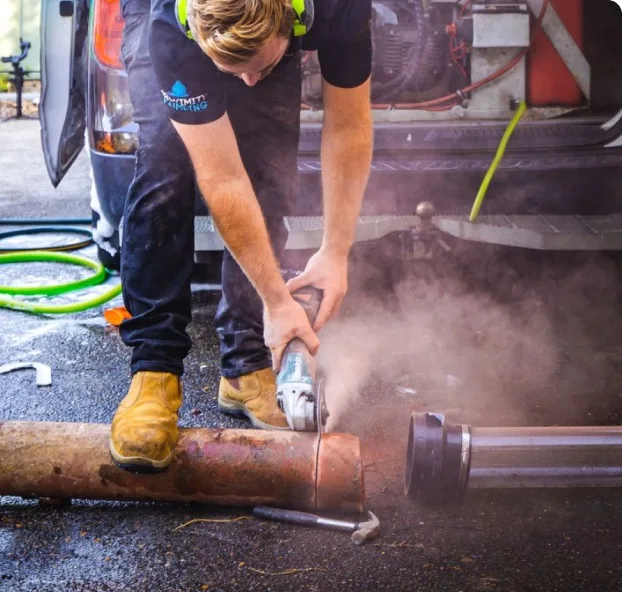
Housing stock that still leans electric
Electric storage is the quiet workhorse of this suburb's hot water, and the housing mix explains why. Two patterns shape nearly every job we attend:
- Federation homes predating the gas mains Census figures put detached houses at over 70 percent of local dwellings, and many of the grand pre-war homes on large garden blocks were built before gas reticulation reached every street, so the electric cylinder became the default and frequently still is.
- Units near the station Newer apartment blocks around the railway precinct carry smaller cylinders in tight cupboards, where access matters as much as capacity and a swap is a careful, compact job.
What we do with electric hot water systems
Our electric work covers the full life of the cylinder, and most of it happens in a single visit because the vans stock the parts these systems actually fail on:
Elements and thermostats
A lukewarm cylinder usually hides one burned-out element or a thermostat that has drifted, and because these parts ride on the van, most faults are confirmed and corrected within a single morning visit, sparing the household a second cold start.
Like-for-like swaps
When a tank splits, the replacement often happens the same day, because the van carries the common cylinder sizes and can drain, disconnect, swap and commission a new unit before the evening shower queue forms, with the old unit removed.
Off-peak tariff changes
Connecting a cylinder to an off-peak tariff changes when it heats rather than how well, and for larger households on this ridge the shift can meaningfully trim quarterly running costs without a single tap or fitting elsewhere in the house.
Renovation relocations
A renovation that moves a laundry or adds a bathroom often needs the cylinder shifted, and we route fresh supply lines, valves and relief drainage through double-brick walls cleanly, so the new space works without the job ever turning into demolition.
Deciding between fixing the unit in place and starting fresh is its own conversation, and the pages on hot water installation and hot water replacement walk through both paths in detail.
What a cool, wet ridge asks of a cylinder
- Cold mornings at altitude This suburb sits on the Upper North Shore ridge at roughly 139 metres, and long-term records put its rainfall around 1,441mm a year, the highest in Sydney, so winters run cool and damp and hot water demand climbs accordingly.
- Shaded side passages Heavy established canopy keeps many cylinder locations cool and dim, so tanks work harder here than identical units would in a sunnier suburb, and we size replacements for the coldest week of the year rather than the average one.
The three failures we see most
Electric cylinders fail in familiar patterns, and knowing them helps you judge how urgent your situation really is:
A completely cold cylinder
A complete loss of hot water usually traces to a tripped breaker, a dead heating element or a failed thermostat, and because the faults test in sequence, the culprit is usually named within the first half hour on site.
Running out too early
A household that suddenly runs cold halfway through the morning shower queue is describing a sediment-clogged tank or a dead lower element, which leaves the cylinder running on half its heating capacity until the fault is corrected.
Water pooling at the base
A weep at the tank base usually means the inner lining has given up, no fix reverses that, and the honest advice is replacement sized and fitted before the drip grows into a laundry flood.
Why a slow cylinder deserves quick attention
- A weep becomes structural damage A tank seeping into a laundry cupboard soaks skirting and slab edges quietly for weeks, and the repair bill then stretches well beyond plumbing itself.
- A tired element doubles the running cost Degraded elements and heavy sediment force longer heating cycles for the same water, and the difference lands on the power bill every quarter.
- A planned swap beats a panicked one Choosing a replacement calmly means the right size and tariff; choosing one at 6am in July means taking whatever is on the van.
If the failure turns out to be repairable rather than fatal, the hot water repair team handles elements, valves and thermostats on any brand of tank, and urgent no-hot-water situations route through emergency plumbing instead.
How it works
How the job runs, step by step
- 01
Call and tell us
Ring (02) 9072 0504 and describe what's happening, and a licensed plumber, not an answering machine, will tell you what it likely means, what to stop using, and when we can realistically be there.
- 02
Quote before work
Your plumber inspects the job properly, runs whatever diagnosis it genuinely needs, and hands you a single fixed written price covering the complete fix, with a $0 call out fee and nothing added afterwards.
- 03
Sized, supplied, commissioned
We match the cylinder to the household's real morning demand, confirm the power supply can carry the load, then fit the unit with fresh valves and test temperature, pressure and recovery before handing it back.
- 04
Backed for life
Everything we complete is covered by our Lifetime Labour Warranty, the promise that outlasts the job itself: if it's not right, we come back. No questions. No cost.
Why choose Your Plumber Pymble
Fixed prices, kept
Every job is priced upfront in plain writing before any work starts, the invoice always matches that number, and weekend or late-evening timing changes nothing, because overtime rates simply don't exist here.
Licensed and insured
Your Plumber Pymble works under licence #275278C with full insurance behind every job, and the compliance certificates that protect your home's paperwork trail arrive with the invoice, without you ever needing to ask for them.
Lifetime Labour Warranty
Workmanship here is guaranteed for life under our Lifetime Labour Warranty rather than for a warranty card's fine-print window, which says more about how the work is done in the first place than any advertisement could.
Genuinely local response
We work these streets constantly rather than commuting in from across Sydney, so the van reaching you has usually just left a job nearby, stocked for the faults the local houses actually develop.
Where we work
Servicing the streets nearby
We fit and service electric cylinders across the surrounding Ku-ring-gai area too, covering Gordon, West Pymble, St Ives, Turramurra and Killara, so the same stocked van, the same fixed pricing and the same warranty terms reach every neighbouring street without variation.
Electric hot water trouble in Pymble? Call now and get it sorted
Call (02) 9072 0504 now and speak straight to a licensed plumber, day or night. The call out fee is $0, the price goes on paper before a tool comes off the van, and every repair is backed by our Lifetime Labour Warranty.
Where the decision goes next
Everything else on the heating side, from gas to instant flow, sits on the hot water hub, and homes weighing up gas can compare directly on our gas hot water systems page. The rest of what we do starts back at the homepage.
Good questions, straight answers
Electric hot water questions Pymble locals ask
Are electric hot water systems being phased out in NSW?
New installations face efficiency rules that steer some builds toward heat pumps or gas, but repairs and like-for-like replacements of electric systems remain fully legal and are everyday work for licensed plumbers.
How long does an electric hot water system last?
Most electric storage cylinders give ten to fifteen years of service, though units tucked into damp laundries of older homes sometimes fail earlier, so regular valve checks are worth the small effort.
Can an electric system be installed in a heritage home?
Yes, and it is one of the most common jobs in suburbs full of Federation houses, with the cylinder sized and positioned to respect the home's layout while meeting current plumbing standards.
What size electric hot water system does a family need?
A household of three to four people generally suits a 125 to 160 litre continuous recovery cylinder or a larger off-peak tank, and we size it against your morning routine rather than a chart.
Why does my electric system run out of hot water?
A cylinder that empties early usually has a failed upper element, a faulty thermostat or sediment buildup, and all three are testable on site before anyone talks about replacing the whole unit.
Do you handle the wiring side of the installation?
We coordinate the licensed connection work the system needs on the power side, including circuit and off-peak arrangements, so the job reaches commissioning without you juggling separate trades.