Hot Water Pymble: Cylinders, Systems and Repairs for the Ridge
1000+ five-star reviews
Hot water is the silo of big decisions. A tap reseats in an hour; a cylinder is a fifteen-year commitment touching your gas line, your energy bills and your morning shower.
This page is the hot water hub for Pymble, the northern Ku-ring-gai suburb of grand Federation homes, garden blocks and newer units near the station. Every hot water job routes to a page below.
Height shapes the workload here. The suburb sits on the ridge, roughly 139 metres above sea level, and its long, damp winters are exactly the conditions that find a tired cylinder. The six pages under this hub cover the full arc: choosing a system, installing one, repairing one, and replacing one at the end of its life.
- $0 Call Out Fee
- Lifetime Labour Warranty
- Licensed & Insured

- Lic #275278C
- Licensed & Insured
- $0 Call Out Fee
- Lifetime Labour Warranty
- On-Site Fast, 24/7
- 1000+ five-star reviews
- Real Humans Answer, Day or Night
- Lic #275278C
- Licensed & Insured
- $0 Call Out Fee
- Lifetime Labour Warranty
- On-Site Fast, 24/7
- 1000+ five-star reviews
- Real Humans Answer, Day or Night
- Lic #275278CNSW plumbing licence, fully insured, water and gas
- $0 Call Out FeeIt costs nothing to get us to your door
- Lifetime Labour WarrantyIf it's not right, we come back. No questions. No cost.
- 1000+ five-star reviewsSydney homeowners have rated us five stars over a thousand times
1000+ five-star reviews across Sydney. $0 call out fee. And a fixed price before any work begins. The price we quote is the price you pay. No exceptions.
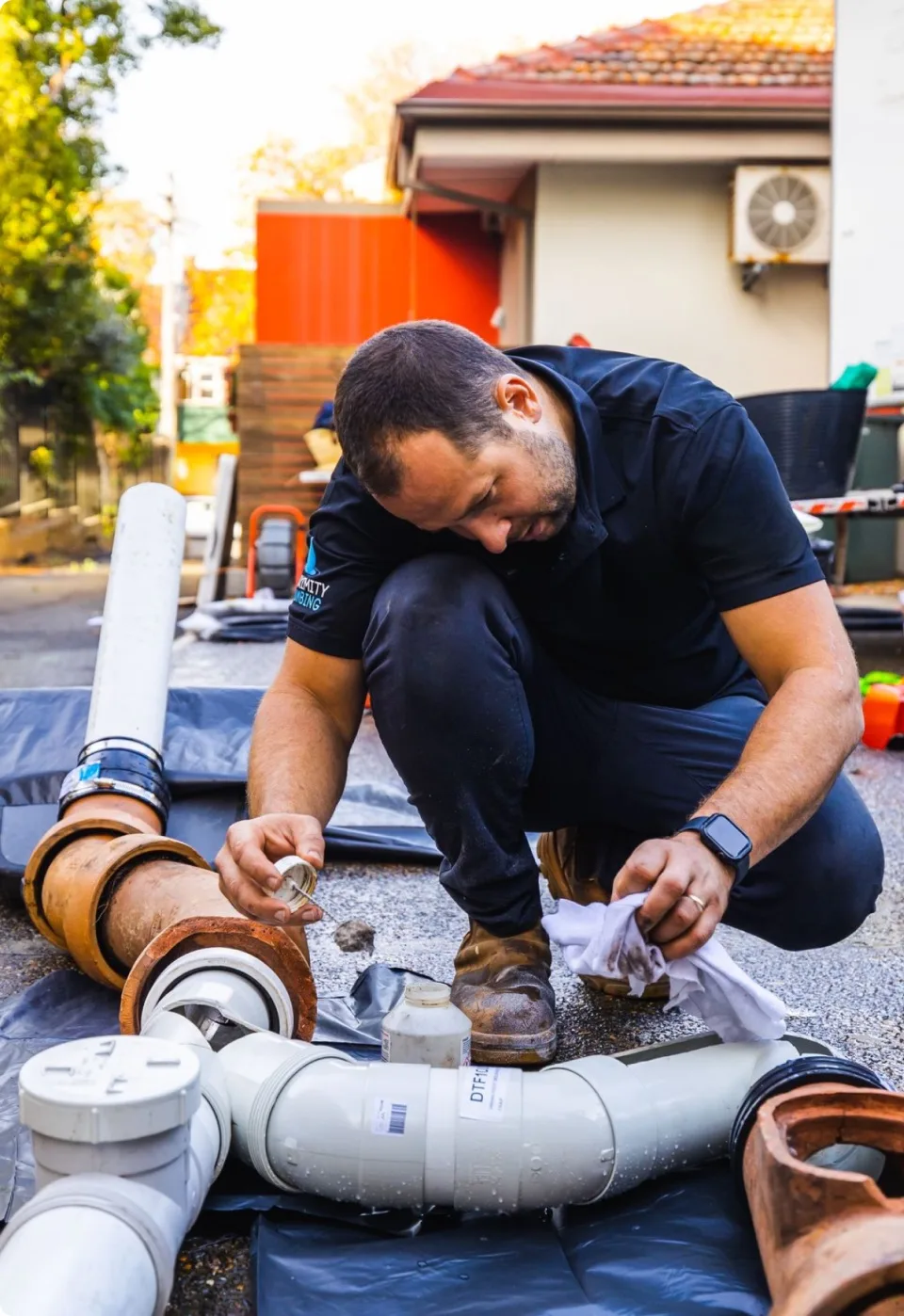
When a cold shower is urgent, and when it is a planning question
Not every cold shower is a midnight job, and knowing the difference saves you stress and money.
- Water leaking from the cylinder itself, especially from the base: that is active damage, and it belongs with emergency plumbing
- No hot water at all in winter, with the unit silent and a house full of people: we treat that as urgent too, and it has its own symptom page at no hot water
- A slow warm-up, a lukewarm shower, or hot water that runs out faster than it used to: not an emergency, but a system telling you something, and hot water repair is the page
- A cylinder past ten to twelve years with a growing repair history: that is a planning question, and hot water replacement answers it
The rule of thumb: water escaping or a household stranded in July, call now. Everything else gets a diagnosis and a fixed quote first.
Renovations on the ridge: why this suburb retires cylinders early
The renovation cycle drives local demand. The suburb's long-held heritage houses often run dated hot water systems that fail and need replacement during renovations of these older homes, and that pattern describes a large share of what this silo answers here.
Older houses were plumbed for a different era. A Federation house on a big garden block carried a small copper cylinder in a laundry corner, sometimes gravity fed, sometimes retrofitted with an electric unit in the seventies.
Then the walls open. The renovation arrives, the kitchen moves, and the old cylinder that quietly worked for two decades no longer suits the new main bathroom with its rain shower.
That is the moment this silo earns its keep. The choice between gas, electric and instant shapes the next fifteen years of energy bills. Blocks are big, gas is often available at the street, and the space exists, which is why gas storage remains the default recommendation for the older houses here.
The renovation cycle drives local demand
The suburb's long-held heritage houses often run dated hot water systems that fail and need replacement during renovations of these older homes, and that pattern describes a large share of what this silo answers here.
Older houses were plumbed for a different era
A Federation house on a big garden block carried a small copper cylinder in a laundry corner, sometimes gravity fed, sometimes retrofitted with an electric unit in the seventies.
Then the walls open
The renovation arrives, the kitchen moves, and the old cylinder that quietly worked for two decades no longer suits the new main bathroom with its rain shower.
That is the moment this silo earns its keep
The choice between gas, electric and instant shapes the next fifteen years of energy bills. Blocks are big, gas is often available at the street, and the space exists, which is why gas storage remains the default recommendation for the older houses here.
Six pages, every hot water job from choice to swap
The full detail lives one click down; up here the routing stays honest.
- Hot water replacement: end-of-life swaps, like-for-like or upgrade, once the old unit has run its race
- Hot water installation: new systems for renovations, extensions and homes changing fuel type
- Hot water repair: valves, thermocouples, elements and pilot lights, fixed where fixing makes sense
- Gas hot water systems: the running-cost and sizing case for gas storage
- Electric hot water systems: storage units where there is no gas connection, plus off-peak tariff options
- Instant hot water systems: continuous flow units warming water as it passes, so the supply never empties
School-morning peaks and station-side units: two Pymbles, two answers
The housing stock splits, and so does the advice. Around Pymble Ladies' College, on its 20 hectares near the station, and along the streets feeding Pymble Public School, mornings are school-morning peaks: three showers inside forty minutes, then nothing for hours.
Storage suits that rhythm. A cylinder recovers through the day for the evening round of dishes and baths, so a generously sized storage system matches the usage curve of a family house on a garden block.
Closer to the railway, the newer unit blocks tell a different story. One or two bathrooms, no garden, and an owners corporation with rules about flues and access. Instant units shine there, wall-mounted and compact, warming only what is drawn.
Same suburb, two right answers. The pages below respect that split rather than selling one system to both, and the sizing guidance follows the household, not the brochure.
The housing stock splits, and so does the advice
Around Pymble Ladies' College, on its 20 hectares near the station, and along the streets feeding Pymble Public School, mornings are school-morning peaks: three showers inside forty minutes, then nothing for hours.
Storage suits that rhythm
A cylinder recovers through the day for the evening round of dishes and baths, so a generously sized storage system matches the usage curve of a family house on a garden block.
Closer to the railway, the newer unit blocks tell a different story
One or two bathrooms, no garden, and an owners corporation with rules about flues and access. Instant units shine there, wall-mounted and compact, warming only what is drawn.
Same suburb, two right answers
The pages below respect that split rather than selling one system to both, and the sizing guidance follows the household, not the brochure.
What each page covers, and when you would open it
Replacement: the unit has died
Hot water replacement handles end-of-life work. It covers the honest signals that a cylinder is finished, the like-for-like swap versus the upgrade decision, and how a new unit gets sized to the house rather than copied from whatever nameplate the retiring one wore. If the existing system leaked, this is your page.
Installation: something new is being built
Hot water installation covers renovations, extensions, granny flats and fuel changes, where the question is not what died but what should go in. It walks through siting, fluing, tempering valves and the compliance certificates that arrive with the invoice.
Repair: worth saving, worth fixing
The repair page handles the fix-it side, and it is honest about the boundary: a valve or element on a five-year-old unit is money well spent, while the same fix on a corroded fifteen-year-old cylinder is often a delay of the inevitable.
Gas systems: the running-cost workhorse
Gas hot water systems sets out the case for gas storage on this suburb's larger blocks, from recovery speed for school-morning peaks to the running costs that matter more than the sticker price over a unit's life.
Electric systems: no gas, no problem
Electric hot water systems covers storage units for homes off the gas grid, off-peak tariff options that trim running costs, and why electric remains the sensible answer for many units and smaller homes.
Instant systems: hot water that never runs out
Instant hot water systems explains continuous flow technology honestly, including where it wins, where storage still beats it, and the flow-rate realities at Sydney winter mains temperatures.
Choosing a system: gas, electric or instant
The three comparison pages exist because this decision deserves more than a shrug at a showroom. Here is the shape of it.
Gas storage. Fast recovery, lower running costs where natural gas is at the street, and a proven fit for the larger detached houses that dominate the suburb. The trade-off is the flue and the footprint.
Electric storage. Simple, lower up-front cost, and perfectly suited to units, smaller homes and overnight tariffs. The trade-off is recovery speed and, in many cases, higher running costs.
Instant. Endless hot water, no standby losses, a tiny footprint. The trade-off is flow rate when multiple taps run at once, which matters in a three-bathroom Federation renovation.
The fuel question comes first. If gas runs past the boundary, gas storage usually wins on running costs for a family house. If it does not, the choice narrows to electric storage or an instant unit, and the comparison pages carry the full reasoning for each path.
Gas storage
Fast recovery, lower running costs where natural gas is at the street, and a proven fit for the larger detached houses that dominate the suburb. The trade-off is the flue and the footprint.
Electric storage
Simple, lower up-front cost, and perfectly suited to units, smaller homes and overnight tariffs. The trade-off is recovery speed and, in many cases, higher running costs.
Instant
Endless hot water, no standby losses, a tiny footprint. The trade-off is flow rate when multiple taps run at once, which matters in a three-bathroom Federation renovation.
The fuel question comes first
If gas runs past the boundary, gas storage usually wins on running costs for a family house. If it does not, the choice narrows to electric storage or an instant unit, and the comparison pages carry the full reasoning for each path.

Sizing for the household, not the nameplate
Sizing is the second half of the decision
We size to three things
Undersizing shows up in July
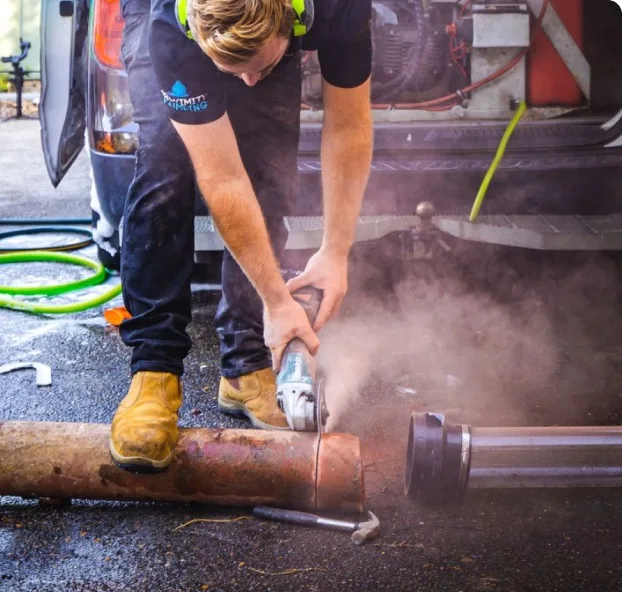
Repair or replace: the signals that decide it
The honest test is age plus pattern. A single fault on a young system is a repair. Recurring faults, rusty water, a cylinder weeping from the seam, or a unit long past its service years are replacement signals, and spending on fixes at that point is paying twice.
- One failed element or valve inside the first eight years: repair, and expect more years of service
- Two or more repairs in a single winter: the system is telling you its future
- Water from the tap with a rusty tinge: the cylinder is corroding from inside
- A unit over roughly a decade old with any major fault: get a replacement quote before authorising the repair
The local angle matters here. The suburb records Sydney's highest annual rainfall, around 1,441mm, and with it cool, damp ridge winters that push systems hard from July onward. That is when most local failure calls arrive, which is why we quote both repair and replacement honestly, in writing, before any work begins.

How it works
How a job works, start to finish
- 01
Call us and talk to a plumber
Speak to a licensed plumber, not an answering machine. Tell us what's going on and we'll tell you what happens next.
- 02
We turn up when we say we will
Your plumber arrives on time, in a stocked van, ready to start, not ready to have a look and come back next week.
- 03
Fixed price before we lift a spanner
You get the full price in writing before any work begins. No surprises, no obligation. If you say no, that's fine. The call out cost you $0.
- 04
Fixed right, backed for life
The work is done properly, tested, and covered by our Lifetime Labour Warranty. If it's not right, we come back. No questions. No cost.
Why the hot water silo earns the call
The price we quote is the price you pay. No exceptions
Every job is priced upfront, in writing, before work starts. Weekend or weekday, day or night, with no overtime surprises.
$0 Call Out Fee
Getting us to your door costs nothing. You only ever pay for work you've approved.
Licensed & insured, Lic #275278C
Every plumber on the team is fully licensed and insured. Your compliance certificates are sorted, every time.
Stocked vans, first-visit fixes
Our vans carry the parts for the common jobs, so most problems are fixed on the first visit, not after a second call out.
Fair, upfront pricing. No surprises.
Pricing without surprises
Upfront fixed pricing. No hourly surprises.
We don't charge by the hour, and we don't do estimates that grow. Your plumber assesses the job, gives you a fixed written price, and that's what you pay. The price we quote is the price you pay. No exceptions.
- $0 call out: the assessment and quote cost you nothing
- One fixed price, in writing, before any work begins
- No overtime rates: nights and weekends priced the same way
- Card, cash and payment plans accepted
No surprises, no obligation. If the price doesn't work for you, you owe us nothing.
The price we quote is the price you pay. No exceptions.
Good questions, straight answers
Hot water questions Pymble locals ask
How do I know whether to repair or replace my hot water system?
Age leads the judgement, because a cylinder long past its service window usually costs more to keep alive than to swap, and repeat faults settle the argument.
Which system suits an older Pymble house on a large block?
Gas storage suits homes with a street connection and garden room, while instant units free the laundry corner that heritage floor plans never reserved for a cylinder.
Can you replace a hot water system the same day it fails?
Often yes, because the vans carry common cylinders and valves, and a same-day swap is realistic whenever the existing pipework and connections are sound.
Does the suburb's high rainfall affect hot water systems?
Not directly, but the long damp winters on this ridge work units harder from July onward, and that is when most breakdown calls reach us.
What does the $0 call out fee cover on hot water work?
It covers getting a licensed plumber to your door, the diagnosis and the written quote, with nothing owed unless you approve the fixed price.
Are electric systems being phased out in NSW?
Rules keep evolving, and we give current guidance per house at the quote, because the right choice depends on your gas connection and energy plan.
Do you install hot water systems in units near the station?
Yes, strata-friendly electric and instant units suit the newer blocks, and we work within owners corporation requirements where they apply.
Where this silo meets the others
A leaking cylinder is two jobs until diagnosed
Renovations pull in the neighbours
And once the water is used, it leaves
Need a plumber in Pymble? We're ready now.
Call (02) 9072 0504 and speak to a licensed plumber, not an answering machine, 24/7, including weekends and public holidays. Prefer a callback? Leave your details and we'll call you back fast, day or night.
Call (02) 9072 0504. $0 call out, fixed price before any work begins.